
Alcohol Education
Wet Brain Syndrome: What It Is, Symptoms, Causes, and Effects
Wet brain syndrome is brain damage from thiamine deficiency linked to heavy drinking. Learn the warning signs, since early treatment can reverse damage.

Wet brain syndrome is brain damage from thiamine deficiency linked to heavy drinking. Learn the warning signs, since early treatment can reverse damage.

Early warning signs of wet brain include nausea, fatigue, memory lapses, and unsteady gait. Spot thiamine deficiency before the classic triad appears.
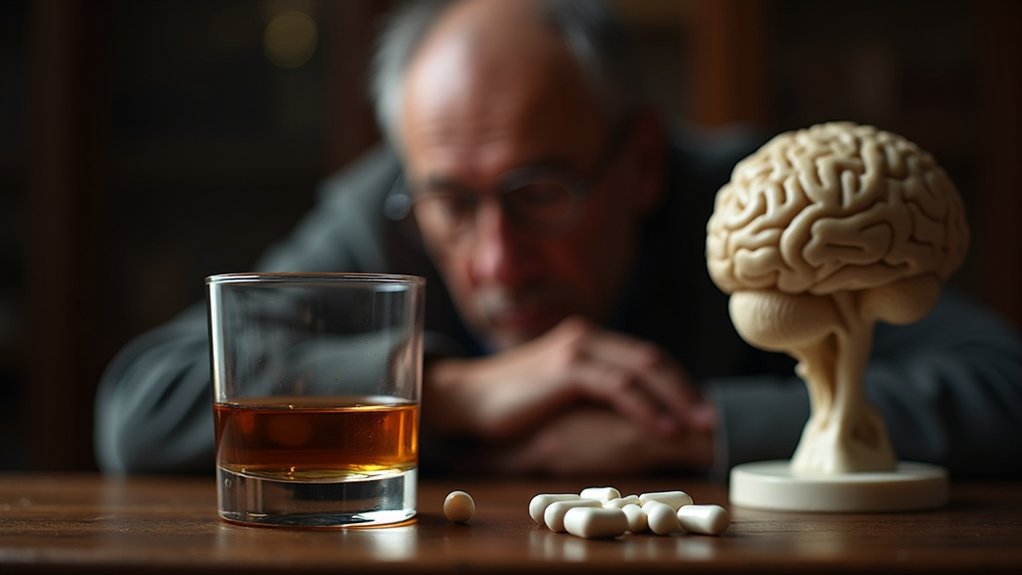
Alcohol thiamine deficiency explained: learn how drinking depletes vitamin B1, leads to wet brain, and how safe treatment can help.

Wernicke encephalopathy vs. Korsakoff syndrome: learn how acute and chronic thiamine deficiency differ in symptoms, reversibility, and treatment.

Can wet brain be reversed? Early thiamine treatment can partly reverse it. Learn which symptoms improve, which may last, and how timing shapes recovery.
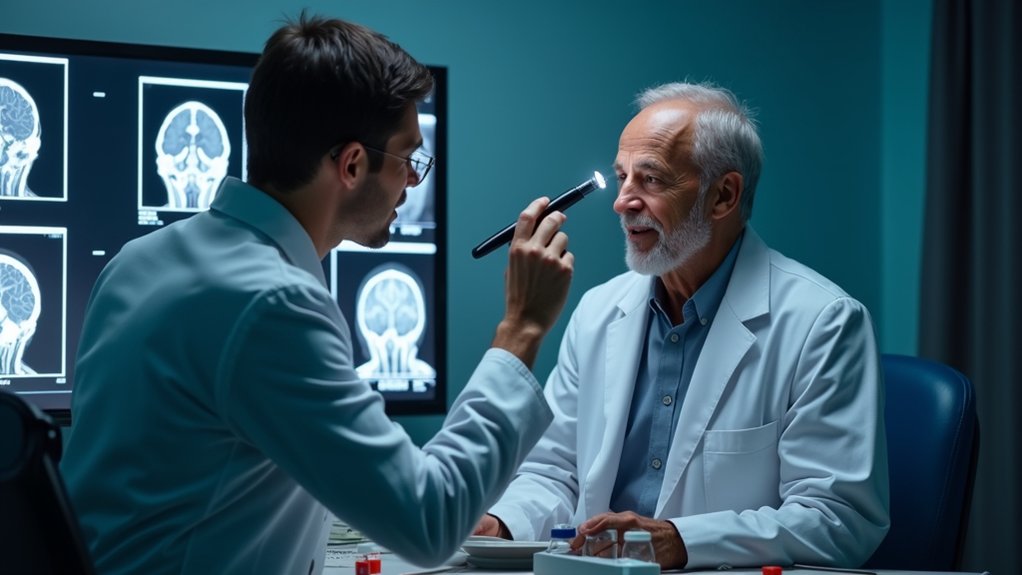
Wet brain diagnosis relies on clinical signs, not one test. Learn how eye exams, Caine criteria, MRI, and thiamine levels help confirm it.

Wet brain syndrome survival: median life expectancy is 8 to 11 years after diagnosis. See how thiamine and sobriety improve your outlook.

Inpatient vs. outpatient alcohol rehab: compare 24-hour medical care with at-home treatment to choose the safest setting for your withdrawal risk.

Inpatient vs. outpatient drug rehab: compare withdrawal risk, medical needs, home support, and costs to choose the right level of care for you.

Inpatient vs. outpatient rehab success rates: research shows matching care to your clinical needs matters more than setting. See what drives success.