
Inpatient alcohol rehab gives you 24-hour, medically directed care, so clinicians can monitor and manage dangerous withdrawal, including seizures. Outpatient rehab lets you live at home while attending scheduled counseling, medication support, or both. Your safest choice depends on your withdrawal risk, symptoms, and home environment, not location alone. Detox by itself doesn’t treat alcohol use disorder, so you’ll need ongoing care afterward. Below, you’ll see which setting best fits your health, history, and recovery goals.
Key Takeaways
- Inpatient alcohol rehab provides 24-hour, medically directed care, while outpatient rehab lets you live at home and attend scheduled appointments.
- Withdrawal risk largely determines the setting, since dangerous symptoms like seizures or rapid heart rate may require round-the-clock supervision.
- Past withdrawal seizures, delirium tremens, epilepsy, or very heavy daily drinking often signal the need for inpatient or residential care.
- Outpatient care suits people with mild withdrawal symptoms, a stable home environment, and the ability to attend therapy consistently.
- Relapse risk depends more on matching treatment intensity to needs than on location, and detox should lead directly into ongoing care.
How are inpatient and outpatient alcohol rehab different

Inpatient alcohol rehab differs from outpatient alcohol rehab mainly in where you live during treatment and how much supervision you receive. Inpatient alcohol rehab provides 24-hour, medically directed care, so clinicians can monitor you continuously and manage withdrawal if it becomes dangerous. Outpatient alcohol rehab lets you stay at home while you attend scheduled appointments for counseling, medication support, or both. Between these, intensive outpatient and partial-hospitalization programs offer more coordinated care without overnight stays. Residential care also provides 24-hour treatment, but it’s distinct from medically managed inpatient care. Most people with alcohol use disorder receive treatment in outpatient settings. Your best option depends on your withdrawal risk, health conditions, and home support.
Why does alcohol withdrawal affect the choice
Alcohol withdrawal affects your choice of rehab because withdrawal after prolonged heavy drinking can become dangerous, causing a rapid heart rate, nausea, and seizures. Your withdrawal risk helps determine whether you can safely detox at home or need 24-hour medical supervision.
ASAM recommends basing your level of care on your current symptoms, your risk of severe or complicated withdrawal, and your recovery environment. If you’ve had withdrawal seizures, delirium tremens, or epilepsy, inpatient care is often safer. If your symptoms are mild, you have support at home, and you can attend appointments, outpatient withdrawal management may work. If your symptoms worsen, you may need more intensive care.
When is medical detox needed for alcohol
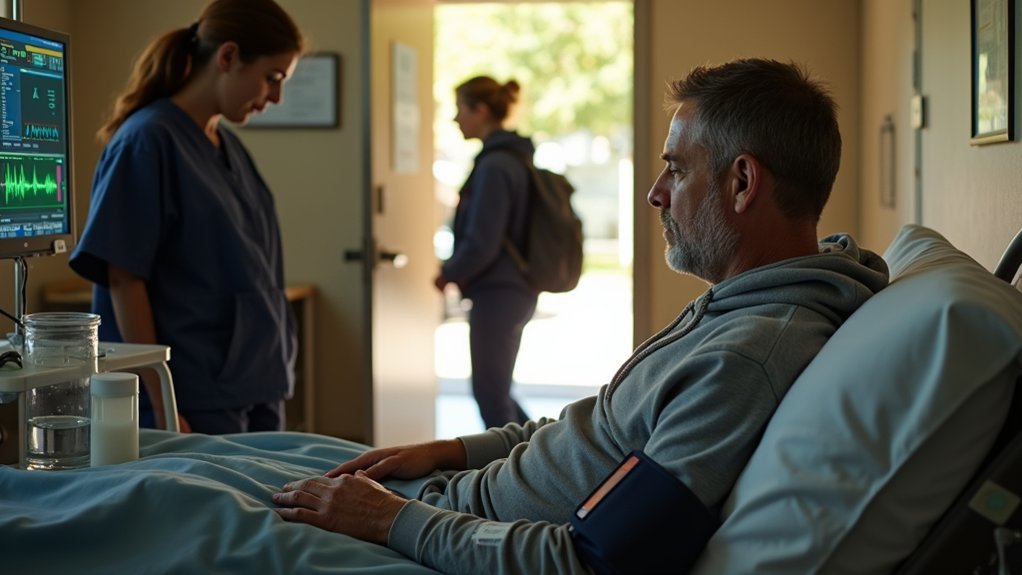
Medical detox is needed when your alcohol withdrawal could become dangerous, although most people don’t need it. Your clinician should consider inpatient or residential withdrawal care if you’ve ever had withdrawal seizures, delirium tremens, or epilepsy. NICE also flags drinking more than 30 UK units daily or scoring above 30 on the SADQ. Withdrawing from alcohol and benzodiazepines together raises your risk, as do significant physical or psychiatric conditions, cognitive impairment, or a learning disability. If your mental health is unstable, specialist inpatient care may suit you best. Your home matters too. Without a safe environment or adequate support, you may need closer monitoring. Remember that detox isn’t treatment by itself. It should lead directly into your ongoing care, such as counseling, medication, or both.
Who is a good fit for outpatient care
You may be a good fit for outpatient care if your withdrawal risk is low or well managed. Outpatient care is the setting where most people with alcohol use disorder receive treatment. ASAM’s indicators for ambulatory withdrawal include mild symptoms, or moderate symptoms without complicating factors, plus your ability to attend scheduled visits and therapy. You’ll live at home and receive counseling, medication support, or both.
Your environment matters too. Outpatient care works best when you have a safe living situation and people who can support your recovery. If your psychosocial support is limited or your home feels unsafe, you may need a more intensive level of care.
Your clinician should reassess you regularly. If your symptoms worsen, you resume drinking, or your vital signs become unstable, they may move you to more intensive care.
Who needs the structure of inpatient care

You may need inpatient or residential care for withdrawal if any of the following apply to you:
- A history of serious withdrawal: Past withdrawal-related seizures, delirium tremens, or epilepsy.
- Heavy daily drinking: More than 30 UK units daily, or a SADQ score above 30.
- Combined withdrawal: You’re stopping alcohol and benzodiazepines at the same time.
- Complex health needs: Significant physical or psychiatric conditions, unstable mental health, cognitive impairment, or a learning disability.
An unsafe living situation or limited support at home can also point toward 24-hour care. Your clinician will weigh your symptoms, your risk of severe or complicated withdrawal, and your recovery environment to decide whether this level of care is the safer choice. If you develop hallucinations, confusion, or unstable life-critical signs, you may need a transfer to more intensive care.
How does relapse risk compare for alcohol
No treatment setting guarantees you’ll stay alcohol-free. Your relapse risk depends less on where treatment happens than on whether its intensity matches your needs. Inpatient care removes alcohol access and provides around-the-clock supervision, but that protection ends at discharge. Detox alone doesn’t treat alcohol use disorder, so you’ll need continued residential or outpatient care afterward. Outpatient treatment lets you practice coping skills in your daily life, yet an unsafe home or limited support can raise your risk. If you’re struggling, intensive outpatient or partial-hospitalization programs add structure without an overnight stay. Care can shift: if you resume drinking or symptoms worsen, your team can escalate it. Long-term follow-up, combining counseling and medication when appropriate, sustains your recovery.
Which setting suits alcohol recovery best
The best setting for alcohol recovery depends on a clinical assessment, though most people with alcohol use disorder receive treatment in outpatient settings. Clinicians weigh your current symptoms, your risk of severe or complicated withdrawal, any medical or psychiatric conditions, and how safe and supportive your home is.
| Your situation | Setting to consider |
|---|---|
| Mild symptoms, stable health, safe home | Outpatient care |
| Complex needs or limited support at home | Intensive outpatient or partial hospitalization |
| Past withdrawal seizures, delirium tremens, or unstable mental health | Inpatient or residential care |
Your level of care isn’t fixed. If symptoms worsen or essential signs become unstable, you’ll move to more intensive care. As you improve, you can step down. Wherever you start, detox should lead into ongoing treatment.
Which alcohol rehab option does Villa Serena Recovery Center recommend
Villa Serena Recovery Center recommends the rehab option that matches your withdrawal risk, health needs, and living environment, rather than one option for everyone. Most people treat alcohol use disorder in outpatient settings, but inpatient care can be safer when withdrawal could become dangerous. A clinical assessment helps you choose the right starting point:
- Inpatient care: You may need it if you’ve had withdrawal seizures, delirium tremens, or epilepsy.
- Outpatient care: You may be a candidate if your symptoms are mild and you have reliable support.
- Intermediate programs: You can get coordinated care without staying overnight.
- Flexible treatment: Your care can intensify or step down as your symptoms change.
Detox isn’t treatment by itself. You’ll still need counseling, medication, or both to sustain recovery.
Choose Alcohol Treatment That Puts Your Safety First
Alcohol withdrawal can turn dangerous fast, so the right setting depends on your risk, health, and home support, not location alone. Villa Serena provides medical detox services with round-the-clock supervision, then connects you to the ongoing care that makes recovery last. Our admissions team is here 24/7 at +1 (844) 821-3984 to help you start safely. Verify your insurance now and begin your path to lasting recovery.
Frequently Asked Questions
Does Health Insurance Typically Cover Inpatient and Outpatient Alcohol Rehab?
Yes, health insurance often covers both inpatient and outpatient alcohol rehab, though your exact coverage depends on your plan. In the U.S., many plans must cover substance use disorder care comparably to medical care, yet they’ll usually require proof of medical necessity. A clinical assessment establishes this: your withdrawal risk, health conditions, and home support determine whether inpatient or outpatient care is justified. Most treatment happens in outpatient settings, so call your insurer to confirm benefits, preauthorization, and in-network providers.
Can I Keep Working While Attending Outpatient Alcohol Treatment?
Yes, you can often keep working while attending outpatient alcohol treatment. You’ll attend scheduled counseling or medication appointments while living at home, so you can usually fit care around work. Intensity varies, though. Assisted withdrawal may involve 2 to 4 visits in the first week, while intensive programs can require day attendance 4 to 7 days weekly for about three weeks. If withdrawal symptoms worsen or drinking resumes, you may need more intensive care, so discuss flexibility with your clinician.
Can Family Members Visit or Participate During Inpatient Alcohol Rehab?
Yes, many inpatient alcohol rehab programs allow family visits and involvement, though each facility sets its own policies, so you’ll need to ask the program. Inpatient care provides continuous supervision, which may shape when visits happen. Family matters clinically: your social support and recovery environment influence which level of care fits you and how safely you’ll transition afterward. Ask how the team will involve loved ones in planning your ongoing outpatient or residential follow-up.
What Should I Pack for a Stay at an Inpatient Facility?
Pack comfortable clothes for about a week, basic alcohol-free toiletries, a list of your current medications and doses, your ID and insurance card, and emergency contacts. Bring medications in original containers so staff can review them during withdrawal monitoring. Leave alcohol-containing products, valuables, and weapons at home. Since rules vary, call your facility before admission. They’ll give you their approved list and explain their phone, device, and visitor policies.
Is Alcohol Rehab Treatment Kept Confidential From Employers?
Yes, alcohol rehab treatment is generally kept confidential from employers. In the U.S., federal laws like HIPAA and 42 CFR Part 2 bar your treatment program from sharing your records with your employer unless you give written consent. If you request FMLA leave, you’ll provide medical certification, but you needn’t disclose details beyond what the form asks. The ADA may protect you from discrimination. Exceptions exist, like safety-sensitive roles, so ask your program and HR about your specific situation.