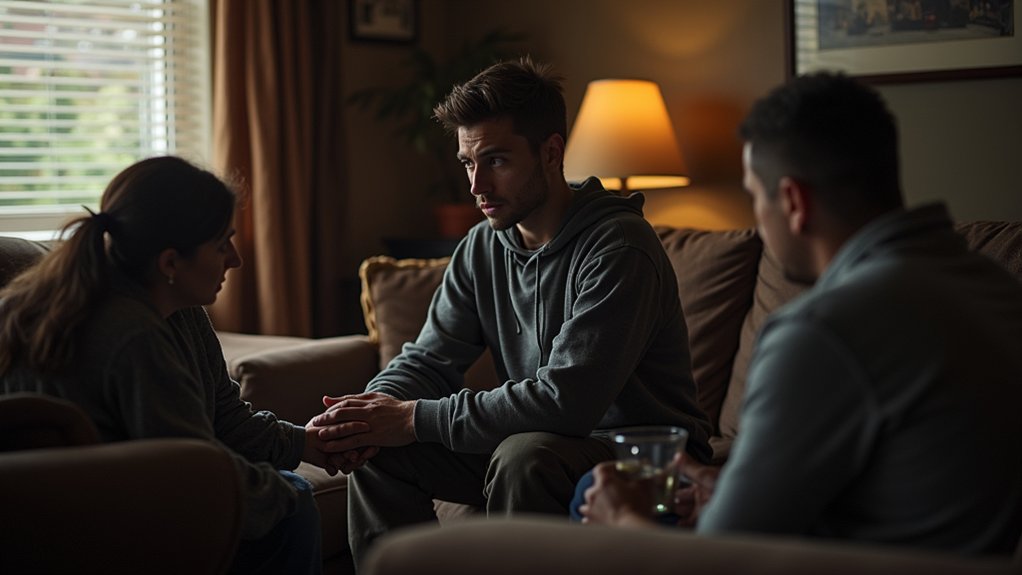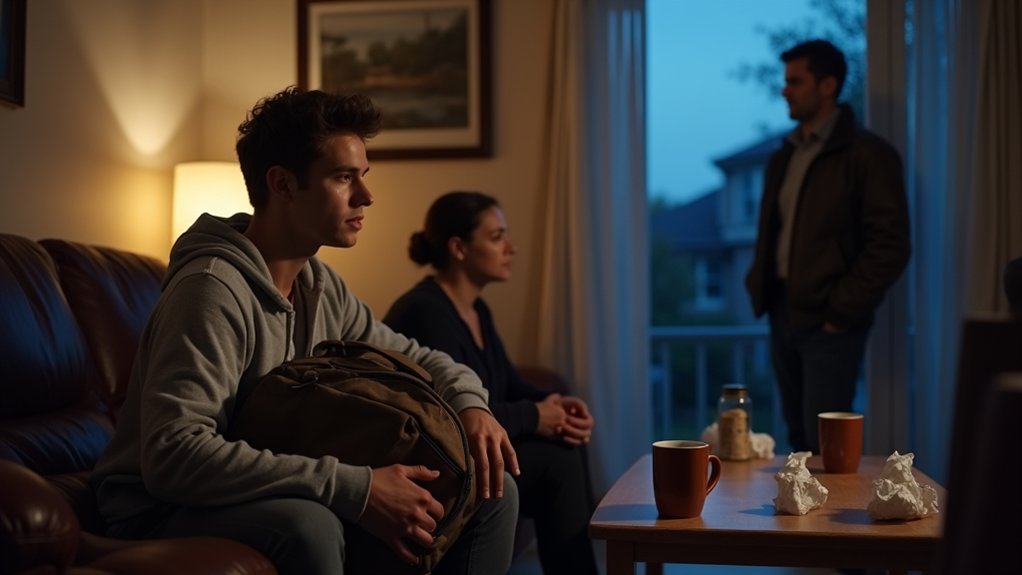
To stage an intervention, first talk with an addiction-trained clinician or family therapist. They’ll help you screen for risks like withdrawal or violence. If there’s immediate danger, call 911. Next, choose a few calm, trusted people and agree on one clear request. Arrange treatment beforehand so help’s ready the moment your loved one says yes. Share examples without blame. Below, you’ll find how to prepare, what to say, and what to do if they refuse.
Key Takeaways
- Consult an addiction-trained clinician first, screen for risks like withdrawal, and call emergency services if anyone faces immediate danger.
- Arrange treatment beforehand by contacting providers or calling the SAMHSA National Helpline at 1-800-662-4357, so help is ready immediately.
- Choose a few trusted, calm, supportive people, and exclude anyone likely to lash out, derail the conversation, or intensify conflict.
- When your loved one is sober, share brief, concrete examples of behavior and impact without blame, threats, shaming, or labels.
- If treatment is refused, thank them, keep the offer open, and consider CRAFT, which works better than confrontation.
How do you stage an intervention for drug or alcohol addiction

To stage an intervention for drug or alcohol addiction, start by consulting an addiction-trained clinician or family therapist, who will assess the situation and screen for risks, like withdrawal or physical danger, that could make staging an intervention unsafe. A dramatic, surprise confrontation isn’t your only option, and often isn’t the most effective one. NIAAA reports that Community Reinforcement and Family Training (CRAFT) works better than confrontation for helping someone accept treatment. With professional guidance in place, gather a few calm, trusted people and agree on one clear request. Arrange treatment beforehand by contacting providers or calling SAMHSA’s National Helpline at 1-800-662-4357. Then hold your drug intervention privately, when your loved one is sober. Share specific concerns without blame, listen, and offer a concrete next step.
What is an addiction intervention
An addiction intervention is a planned conversation in which family members or friends, ideally guided by an addiction-trained clinician, express concern about a loved one’s drug or alcohol use and ask them to accept a specific form of help.
It isn’t an ambush. A substance abuse intervention works best when you use concrete examples, stay calm, and offer a treatment option you’ve arranged in advance.
Confrontation isn’t your only choice. NIAAA reports that Community Reinforcement and Family Training (CRAFT) is more effective than confrontation for helping someone accept alcohol treatment.
Consult an addiction-trained clinician to screen for risks such as withdrawal or physical danger as you decide how to stage an intervention. If anyone’s in immediate danger, call emergency services rather than proceeding.
Who should be on the intervention team
The intervention team should include a few trusted people who can stay calm, speak respectfully, and keep the focus on treatment. Who you invite matters as much as what you say, and a small group feels supportive rather than overwhelming.
Leave out anyone whose presence could make the conversation unsafe or intensify conflict, including someone who’s likely to lash out, blame, or derail the meeting. If you’re unsure whether including someone is safe, ask an addiction-trained clinician or family therapist for guidance.
Agree as a group on the purpose and the specific request for help ahead of the meeting. Talk through family interaction patterns, communication challenges, and strengths you can build on. A professional can help you prepare each member’s role, so that everyone delivers one clear, consistent, compassionate message.
How do you prepare to stage an intervention
To prepare for an intervention, plan what you’ll say and line up treatment so help is ready the moment your loved one agrees. Agree in advance on the meeting’s purpose and your specific request. Have each person write brief, concrete examples of behavior they’ve observed and how it affected them, avoiding labels or accusations. Express concern and willingness to help, and leave room for your loved one to respond. Don’t threaten, shame, or argue over whether a disorder exists.
Next, contact qualified providers and secure an intake appointment beforehand. Ask whether they offer family counseling. For opioid use disorder, discuss medications like methadone or buprenorphine. For U.S. referrals, call SAMHSA’s free National Helpline at 1-800-662-4357 or visit FindTreatment.gov.
What happens during the intervention meeting

The intervention meeting is a private, calm conversation focused on one goal: offering your loved one a clear path to treatment. Choose a time when they’re sober and not in acute distress. Each person shares brief, concrete examples of specific behaviors and how they’ve affected them, expressing concern without labels, blame, or shaming. Then let your loved one respond. Ask open-ended questions, listen, and don’t argue about whether they have a disorder. Present the treatment plan you’ve arranged, including an intake appointment, and offer practical help getting there. If they decline, don’t threaten or demand promises. Stay calm and supportive and consider CRAFT, a proven alternative to confrontation. If anyone shows signs of withdrawal or immediate danger, stop the meeting and contact emergency services.
What happens if your loved one refuses treatment
If your loved one refuses treatment, the process continues, and your effort hasn’t failed. Stay calm and don’t turn the meeting into a confrontation. Avoid threats, shaming, or arguing about whether a disorder exists. Instead, thank your loved one for listening, restate your concern, and leave the treatment offer open.
Next, talk with an addiction-trained clinician about Community Reinforcement and Family Training (CRAFT). NIAAA reports it’s more effective than confrontation for helping someone accept treatment. CRAFT teaches you to reinforce positive behaviors and encourage change in practical ways.
Keep the intake information handy so you can act quickly if your loved one agrees later. If there’s immediate danger, contact emergency services. Protect your well-being through Al-Anon, Alateen, or SMART Recovery Family and Friends.
Why does a planned intervention work better than a solo talk
A planned conversation works better because it brings calm allies, clear examples, and a treatment offer you can act on today. A solo talk often happens in the moment, when emotions run high and there’s no next step ready. Planning doesn’t mean confrontation, though. NIAAA reports that CRAFT, a supportive family approach, works better than confrontation at helping someone accept alcohol treatment.
| Solo, unplanned talk | Planned, supported conversation |
|---|---|
| You’re alone, repeating old arguments | A few calm, trusted people share concern |
| Vague labels like “addict” | Concrete examples of specific behaviors |
| No answer to “What now?” | An intake appointment already arranged |
| Risk of shouting or shaming | Guidance from an addiction-trained clinician |
Consult a professional first to screen for withdrawal or physical safety risks.
How does Villa Serena Recovery Center guide families through intervention
Villa Serena Recovery Center guides families through intervention by connecting them with an addiction-trained clinician who assesses the situation, screens for risks such as withdrawal or physical danger, and helps decide whether a formal intervention, a calm conversation, or CRAFT fits best. Call the center and ask for this guidance. Ask how they’ll help you choose a small, steady support group and prepare specific, compassionate messages. Confirm an intake appointment before the meeting, so your loved one can say yes and take the next step immediately. Ask about family counseling, confidentiality releases, and ongoing support. If anyone faces immediate danger, don’t proceed. Contact emergency services first. Then keep showing up throughout their recovery.
Plan an Intervention That Leads Somewhere
A successful intervention starts long before the conversation, with the right guidance, the right people, and treatment ready the moment your loved one says yes. Villa Serena offers professional intervention services that help you screen for safety, prepare your message, and secure care in advance. Our admissions team is here 24/7 at +1 (844) 821-3984 to help you plan. Verify your insurance now and begin the path to lasting recovery.
Frequently Asked Questions
Does Health Insurance Cover the Cost of a Professional Interventionist?
Usually not, because most health insurance plans don’t cover a professional interventionist, so you’ll likely pay out of pocket, but call your insurer to confirm. Your plan may cover an assessment by an addiction-trained clinician or family therapy, which can guide you toward approaches like CRAFT, which NIAAA reports works better than confrontation. For treatment referrals, call SAMHSA’s National Helpline, 1-800-662-HELP (4357), or visit FindTreatment.gov. You don’t need to face this alone.
Is It Safe to Hold an Intervention While Someone Is in Withdrawal?
No, it isn’t safe to hold an intervention while your loved one is in withdrawal. Withdrawal brings physical and emotional instability that makes productive conversation impractical, and it can turn dangerous. If you see signs of immediate danger, call emergency services first. Otherwise, wait until they’re stable and not intoxicated, choose a calm, private time, and consult an addiction-trained clinician who can screen for risks and help you plan a supportive next step.
Can Family Members Join Therapy Sessions After Their Loved One Enters Treatment?
Yes, you can usually join, but you’ll need your loved one’s agreement first. With that consent, ask the treatment provider to coordinate your participation and complete the required confidentiality releases. Family therapy can address roles, relationships, and communication patterns, and family involvement can strengthen engagement, retention, and outcomes. Providers will first assess your family’s unique circumstances. Don’t neglect your own needs, too. Try Al-Anon, Alateen, or SMART Recovery Family and Friends.
What Support Groups Exist for Relatives of People Struggling With Addiction?
Support groups for relatives of people struggling with addiction include Al-Anon, Alateen, and SMART Recovery Family and Friends, all of which offer ongoing support. Al-Anon serves relatives and friends, Alateen supports younger family members, and SMART Recovery offers a skills-based option. You’ll also benefit from family therapy and peer groups, which help you address your own needs. Don’t wait until treatment ends. Start building your support now, and keep showing up regularly.
Are Medications Like Methadone or Buprenorphine Part of Opioid Addiction Recovery?
Yes, methadone and buprenorphine are evidence-based options for opioid use disorder, and you should discuss them with a qualified provider. Contact treatment programs and ask whether they offer methadone or buprenorphine, family counseling, and a clear intake step, then share what you learn with your loved one. Help match care to their individual needs. If you’re in the U.S., call SAMHSA’s National Helpline today at 1-800-662-4357 or visit FindTreatment.gov for referrals and next steps.