
You can tell someone has a drinking problem when you notice a pattern, not one rough night. Clinicians diagnose alcohol use disorder when at least two of 11 symptoms appear within 12 months and cause distress or impairment. Watch for drinking more than intended, failed attempts to cut back, cravings, and rising tolerance. You’ll see shakiness or poor sleep as alcohol wears off. Below, you’ll find key red flags and how to raise your concern.
Key Takeaways
- A drinking problem shows as a pattern over time; clinicians diagnose alcohol use disorder when two or more of 11 symptoms occur within 12 months.
- Warning signs include drinking more or longer than intended, failed attempts to cut back, strong cravings, and needing more alcohol for the same effect.
- Shakiness, sweating, nausea, restlessness, poor sleep, or racing heart as alcohol wears off signals withdrawal, especially if drinking relieves it.
- Neglected work or home duties, recurring arguments, and withdrawal from shared activities suggest drinking is harming responsibilities and relationships.
- Raise concerns privately when they’re sober, cite specific behaviors, encourage professional assessment, and warn against quitting abruptly if withdrawal occurs.
How can you tell if someone has a drinking problem

You can tell someone has a drinking problem by looking for patterns of symptoms over time, not just how much they drink. Clinicians diagnose alcohol use disorder when two or more of 11 symptoms appear within 12 months and cause distress or impairment. Patterns matter more than single incidents.
Common signs someone has an alcohol problem include drinking more than intended, failed attempts to cut back, strong cravings, and needing more alcohol for the same effect. Other drinking problem signs include neglected responsibilities, ongoing conflict with loved ones, risky drinking while driving, and shakiness or sweating as alcohol wears off.
If you notice these, encourage a professional assessment. A clinician can confirm a diagnosis and guide next steps.
What everyday behaviors signal a problem
Drinking more or for longer than intended, trying to cut back without success, and spending substantial time drinking, getting alcohol, or recovering from its effects are everyday behaviors that signal a drinking problem. If you’re wondering how to tell if someone drinks too much, watch for patterns, not single incidents. Strong cravings can surface, and they might need more alcohol to feel the same effect.
Look at how drinking affects their responsibilities. Do they repeatedly miss work, school, or household obligations? Have they given up activities they once valued, or kept drinking despite recurring conflict with you or others? These signs don’t confirm a diagnosis, but they’re reasons to encourage a professional assessment.
How do you spot hidden or high-functioning drinking

You spot hidden or high-functioning drinking by looking past outward success to quieter patterns of symptoms. Someone can keep a demanding job, meet deadlines, and still meet the criteria for alcohol use disorder. Diagnosis depends on symptoms and their effects, not on a specific number of drinks or visible collapse.
Watch for these patterns over the past 12 months. Do they regularly drink more or longer than planned? Have they tried to cut back and failed? Do they need more alcohol to feel the same effect? Notice shakiness, sweating, restlessness, or poor sleep as alcohol wears off, especially if they drink to relieve these symptoms.
Pay attention to dropped hobbies, skipped social plans, blackouts, or drinking before driving. If you count two or more symptoms, encourage a professional assessment. A qualified clinician can evaluate their drinking and guide safe next steps.
What changes in mood and health show up
Alcohol use disorder often shows up as withdrawal symptoms, rising tolerance, and ongoing physical or psychological problems such as depression, anxiety, or blackouts. Watch for withdrawal as alcohol wears off: shakiness, sweating, nausea, restlessness, trouble sleeping, or a racing heart. Some people also experience seizures or sense things that aren’t there. If you notice someone drinking to relieve or avoid these symptoms, that’s one of the diagnostic criteria. Tolerance matters too; they may need more alcohol to feel the same effect. You might also see them keep drinking despite a recurring physical or psychological problem, such as depression, anxiety, or blackouts. Withdrawal symptoms and blackouts warrant medical attention, and a clinician should guide any decision to stop. A single symptom alone doesn’t confirm a diagnosis.
How does their drinking affect those around them
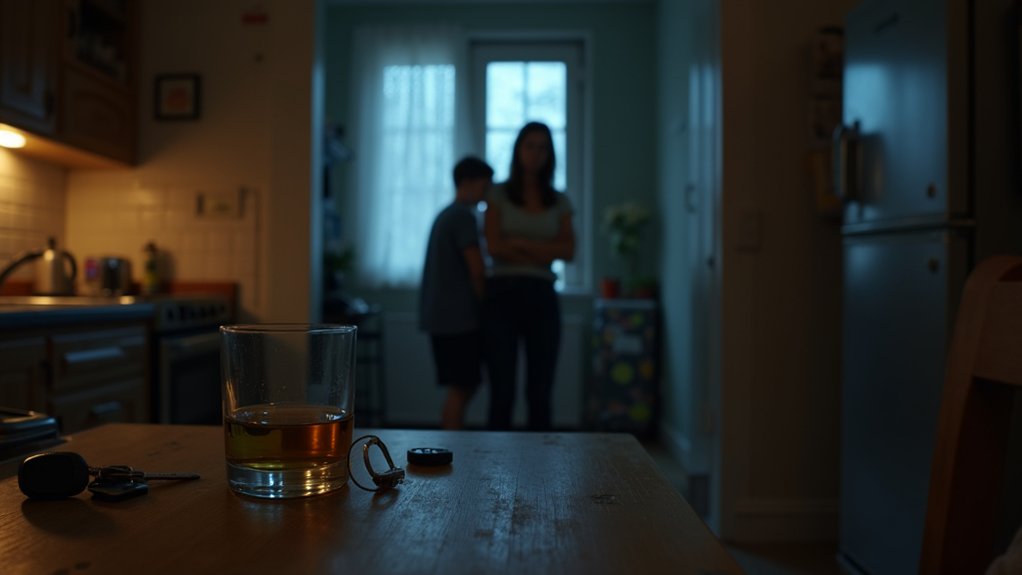
Their drinking can affect those around them through neglected responsibilities, strained relationships, and withdrawal from shared activities, all recognized signs of alcohol use disorder. When drinking repeatedly causes someone to fail at work, school, or home, it’s a recognized warning sign. You might notice missed shifts, slipping grades, unpaid bills, or childcare and household tasks left undone. Pay attention if they keep drinking despite recurring arguments with you, other relatives, or friends. Continuing to drink when it repeatedly strains relationships is a diagnostic symptom.
You may also see them skip family events, hobbies, or social plans they once valued so they can drink instead. That retreat from important activities is another recognized criterion.
Your concerns matter, and they can open the door to an honest conversation or a professional assessment. Your observations alone don’t establish a diagnosis. A qualified clinician evaluates the full pattern.
How do you raise your concern with them
Raise your concern in a private moment when they’re sober and you’re both calm. Describe specific behaviors you’ve observed, such as missed obligations, recurring conflicts, or drinking before driving, rather than applying labels. Use “I” statements to explain how these patterns affect you and your household.
Expect defensiveness, and don’t argue about whether they “have a problem.” Your comments can’t establish a diagnosis. A qualified health professional can assess their symptoms and related health or safety risks. Encourage that assessment, and offer to help find a provider.
If they’ve experienced shakiness, sweating, or other withdrawal symptoms, urge them not to stop abruptly on their own. A clinician should guide that decision.
Which red flags matter most
The red flags that matter most are withdrawal symptoms, drinking in hazardous situations, impaired control, neglected responsibilities, and drinking despite harm, especially when they form a pattern over the past 12 months rather than a one-time event. Any single incident can be alarming, but the pattern is what counts.
| Red flag | Why it matters |
|---|---|
| Withdrawal symptoms | Shakiness, sweating, or seizures need medical attention |
| Drinking in hazardous situations | Driving or swimming while drinking risks serious harm |
| Impaired control | Repeated failed attempts to cut back |
| Neglected responsibilities | Missed obligations at work, school, or home |
| Drinking despite harm | Continuing despite health problems or conflict |
If you notice two or more of these signs, you’ve reached the threshold for a professional assessment. Mild AUD involves two to three symptoms; severe involves six or more. You can’t diagnose your loved one yourself, but a clinician can, and withdrawal signs warrant prompt care.
How can Villa Serena Recovery Center help your loved one
Villa Serena Recovery Center’s health professionals can assess your loved one’s drinking patterns, symptoms, and related health or safety concerns to determine whether alcohol use disorder (AUD) is present and how severe it is. Warning signs can prompt action, but they can’t confirm AUD.
If your loved one experiences shakiness, sweating, nausea, a racing heart, or other withdrawal symptoms, don’t encourage them to quit abruptly on their own. A clinician should guide that process, since withdrawal can involve seizures or hallucinations.
After assessment, our team helps you and your loved one identify appropriate treatment and support options. You don’t need certainty before reaching out. Two or more symptoms within 12 months warrant a professional assessment.
Help a Loved One Take the First Step Forward
Recognizing the warning signs is important, but a professional assessment is what turns concern into real help. Villa Serena offers intervention services and compassionate, evidence-based care to guide your loved one toward recovery safely. Our admissions team is here 24/7 at +1 (844) 821-3984 to help you start the conversation. Verify your insurance now and begin the path to lasting recovery.
Frequently Asked Questions
How Many AUD Symptoms Within 12 Months Meet the Diagnostic Threshold?
Meeting two or more of the 11 symptoms within 12 months reaches the diagnostic threshold for alcohol use disorder (AUD). Two to three symptoms are considered mild, four to five moderate, and six or more severe. You can’t diagnose AUD by counting drinks alone, since symptoms and their effects matter. If you notice two or more, a qualified health professional can assess what’s happening and help you find the appropriate support.
What Separates Mild, Moderate, and Severe Alcohol Use Disorder?
Severity depends on how many of the 11 symptoms you’ve had in the past 12 months. Two to three symptoms means mild AUD, four to five means moderate, and six or more means severe. The number of drinks doesn’t define severity; symptoms and their effects do. Screening can flag concerns, but it can’t replace a clinical diagnosis. A qualified health professional can assess your symptoms and help you find treatment and support.
Can a Specific Number of Drinks Alone Confirm Alcohol Use Disorder?
No, a drink count alone can’t confirm alcohol use disorder. Clinicians diagnose AUD by symptoms and their effects, not a particular number of drinks. You’d look at the past 12 months for signs like cravings, failed attempts to cut back, tolerance, withdrawal, or drinking despite problems. Two or more symptoms meet the diagnostic threshold. If you notice these patterns, a qualified health professional can assess and help you find support.
Do Drinking-Related Legal Problems by Themselves Count as a Diagnostic Criterion?
No, drinking-related legal problems don’t count as a diagnostic criterion by themselves. They can signal harmful consequences, so you shouldn’t dismiss them. Look at the pattern over the past 12 months to evaluate concern, since one incident doesn’t determine AUD. If you notice two or more of 11 symptoms, such as failing obligations or drinking in hazardous situations, a qualified health professional can assess you and discuss treatment options.
Is It Safe to Stop Drinking Suddenly When Withdrawal Symptoms Appear?
No, stopping drinking suddenly on your own is not safe once withdrawal symptoms appear. When alcohol wears off, you may notice shakiness, sweating, nausea, restlessness, trouble sleeping, or a racing heart, and some people experience seizures or sense things that aren’t there. These symptoms merit medical attention. Contact a clinician, who can assess your situation and guide how you stop safely. You don’t have to manage this by yourself.