Meth triggers your sympathetic nervous system, so your pupils widen and may react less to light. You might notice blurred vision, trouble focusing up close, light sensitivity, or visual hallucinations. Smoke, vapor, and reduced blinking can leave your eyes red, dry, and irritated, and rubbing them raises your risk of keratitis or corneal ulcers. Pupil size alone can’t confirm meth use. Below, you’ll find why these changes happen and which warning signs need urgent care.
Key Takeaways
- Meth commonly causes dilated pupils that may react less to light, driven by increased sympathetic “fight-or-flight” activity.
- Dilated pupils alone cannot confirm meth use, since other substances and medical conditions also change pupil size.
- Meth can cause blurred vision, trouble focusing up close, light sensitivity, and visual hallucinations.
- Red, bloodshot eyes often result from smoke or vapor irritation, reduced blinking, and rubbing, which can lead to keratitis or corneal ulcers.
- Seek emergency care for sudden vision loss, severe eye pain, intense light sensitivity, or a new blind spot to prevent lasting damage.
How does meth affect your eyes and pupils
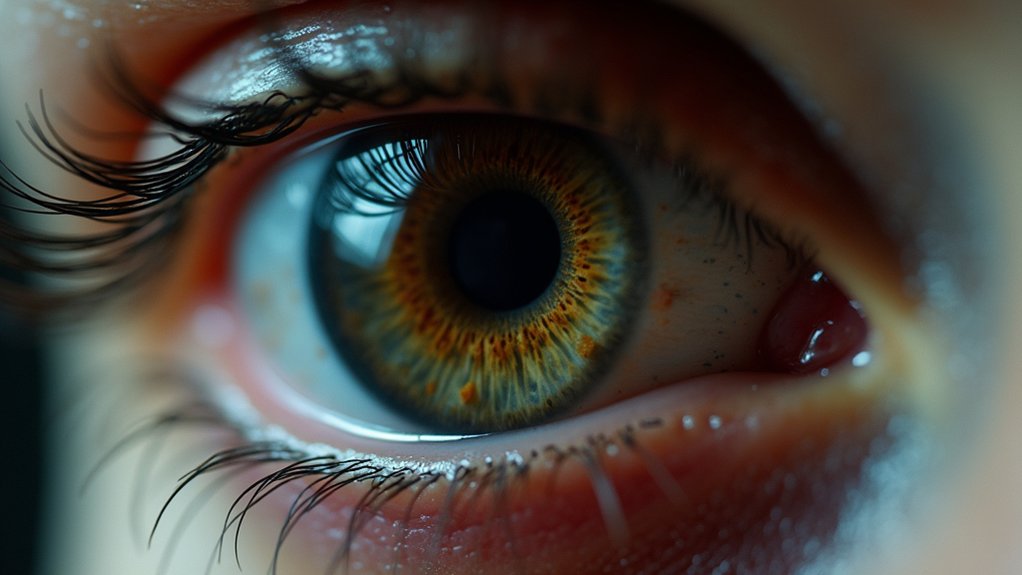
Methamphetamine commonly causes mydriasis, or dilated pupils, because it ramps up your sympathetic nervous system, and your pupils may react less to light while they’re enlarged. Still, meth pupils alone can’t confirm use, since other substances and medical conditions can change pupil size.
If you’re asking what does meth do to your pupils and vision, you may notice blurred vision, trouble focusing up close, light sensitivity, or visual hallucinations. Your eyes on methamphetamine also face surface risks: vapor exposure, reduced blinking, and rubbing can lead to keratitis or corneal ulcers. Vasoconstriction may reduce retinal blood flow, contributing to rare but serious complications such as retinal vascular occlusion.
Seek emergency care if you develop sudden vision loss, severe eye pain, marked redness, or light sensitivity.
Why do meth pupils dilate
Meth dilates your pupils because it increases sympathetic nervous system activity, the “fight-or-flight” response that controls pupil size. This stimulation causes mydriasis, the clinical term for pupil dilation. Dilated pupils may also react less to light, which is why meth eyes can appear wide and slow to adjust in bright settings.
You might also notice changes in visual perception, such as blurred or distorted vision, alongside dilation. Meth dilated pupils don’t confirm methamphetamine use on their own. Other substances and medical conditions can produce the same appearance, so an eye examination is needed to identify the cause.
If sudden pupil changes come with severe eye pain, headache, or vision loss, seek urgent medical care right away.
How do meth eyes change in appearance
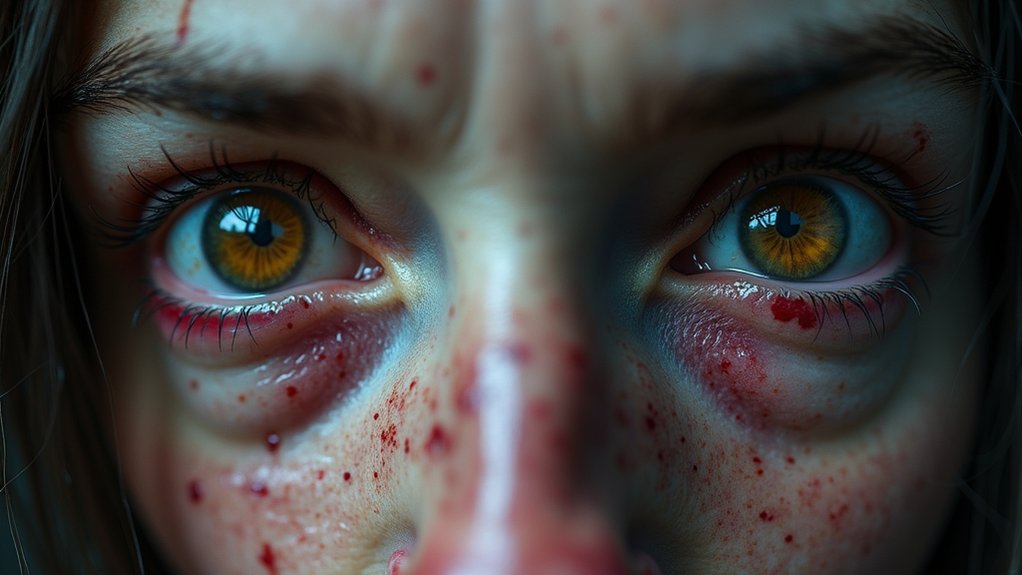
Meth eyes often look wide and red. Methamphetamine boosts sympathetic activity, so your pupils may dilate and react less to light. Dilation alone doesn’t confirm meth use, though, because other substances and medical conditions can change how pupils look.
Redness may point to eye-surface irritation. Smoke, vapor, and hand-to-eye contact can inflame your cornea, and you might blink less or notice pain less, letting injury go unnoticed. This inflammation, called keratitis, can make your eyes red, painful, irritated, and sensitive to light, and it can blur your vision. Rubbing or scratching your eyes raises the risk of ulcers or scarring.
You can’t judge the cause from appearance alone. If redness, pain, or light sensitivity becomes severe, or your vision suddenly changes, get urgent medical care.
Why do the eyes dart and twitch on meth
The published research on methamphetamine’s eye effects doesn’t clearly explain why the eyes dart and twitch on meth or show how often these movements happen, even though they are often linked with meth use.
The evidence does describe related effects. Meth increases sympathetic activity, and researchers propose stimulant effects as one mechanism behind its eye complications. During intoxication, you may experience disturbed visual perception or visual hallucinations, which could change how you scan your surroundings.
Eye-surface irritation from vapor or hand-to-eye contact can cause light sensitivity and redness. Because other substances and medical conditions can affect your eyes, an eye examination is needed to identify the cause.
If you notice new or worsening eye symptoms, see a medical professional. Get urgent care for sudden vision loss or severe pain.
What causes red or bloodshot eyes
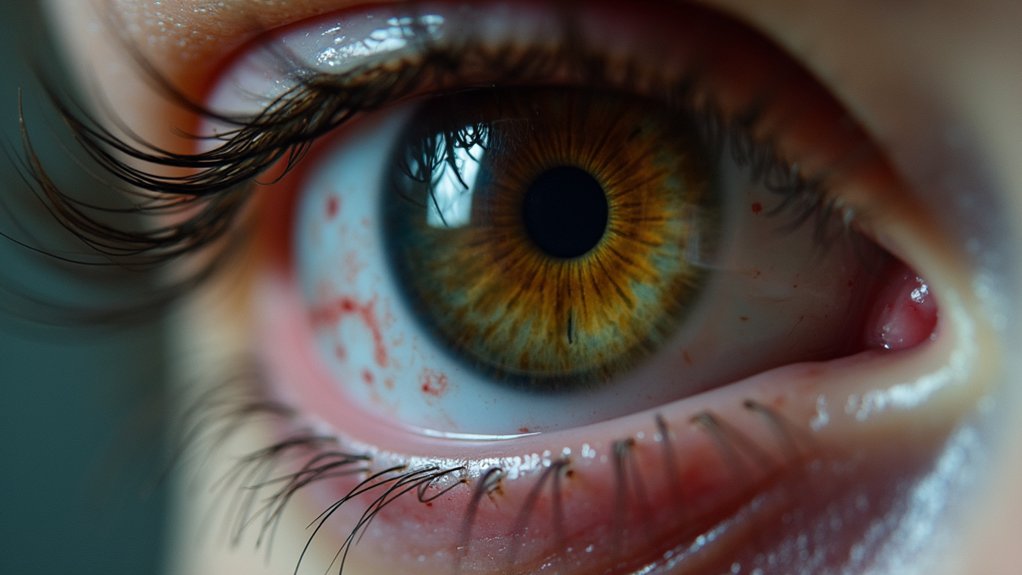
Eye-surface irritation is a likely cause of red or bloodshot eyes after methamphetamine use. Smoke or vapor can contact your eyes directly, and touching your eyes after handling the drug can transfer irritants. Methamphetamine can also reduce how often you blink and raise your pain threshold, so you might not notice surface damage. Rubbing or scratching your eyes can worsen it.
Persistent redness may signal keratitis, an inflammation of the cornea that can cause pain, irritation, light sensitivity, and decreased vision. Untreated, it’s been linked to corneal ulceration and scarring.
Other substances and health conditions can also redden your eyes, so you’ll need an eye exam to confirm the cause. Seek urgent care for redness with severe pain or vision changes.
Can meth eyes lead to lasting vision damage
Yes, meth use can lead to lasting vision damage, though most reported cases involve complications that went unrecognized or untreated.
Corneal injury is one route. Because meth reduces blinking and raises your pain threshold, you might not notice keratitis or an ulcer until it scars your cornea.
Meth dulls pain and reduces blinking, so corneal damage like keratitis or ulcers can go unnoticed until it leaves lasting scars.
Blood vessels are another. Meth can constrict or spasm the vessels feeding your eye, and medical reports describe retinal vascular occlusion, retinal ischemia, and optic neuropathy, all of which can permanently reduce sight.
Researchers haven’t established how often these complications occur, so your individual risk isn’t clear.
What’s clear is that early treatment helps prevent vision loss. Seek emergency care if you notice sudden vision loss, a new blind spot, severe eye pain, or intense light sensitivity. Don’t wait for symptoms to fade.
How do the eyes change during and after a high
Meth typically dilates your pupils during a high, and afterward your eyes may turn red, irritated, or sensitive to light from surface injury. The dilation happens because the drug ramps up your sympathetic nervous system, and your pupils may react more sluggishly to light. You might also notice blurred vision, trouble focusing up close, or visual disturbances.
| Phase | Possible eye changes |
|---|---|
| During use | Dilated pupils, blurred near vision, hallucinations |
| Shortly after | Redness, irritation, light sensitivity from surface injury |
| Ongoing | Corneal or retinal damage in rare cases |
Research doesn’t define how long symptoms last, and effects vary between people. Because reduced blinking and a higher pain threshold can mask corneal injury, you may not notice damage until later. Dilated pupils alone don’t confirm meth use, since other substances and conditions cause them. Seek emergency care for sudden vision loss or severe eye pain.
How does Villa Serena Recovery Center support meth recovery
Villa Serena Recovery Center supports meth recovery with structured addiction treatment that addresses both the substance use and the physical effects it can leave behind, including eye symptoms.
You can share any vision changes you’ve noticed, such as blurred vision, light sensitivity, eye pain, or redness, as soon as you enter treatment. Because other substances and health conditions can also affect your pupils and vision, an eye examination is needed to identify the cause. Your care team can help you arrange that assessment.
If you experience sudden vision loss, a new blind spot, or severe eye pain, you’ll need emergency evaluation right away. Prompt recognition and treatment can help prevent lasting damage. Stopping meth removes ongoing exposure that can further injure your eyes.
Stop the Exposure That’s Harming Your Sight
Meth’s effects on your eyes are a visible sign of deeper harm, and stopping use is the most direct way to protect both your vision and your health. Villa Serena provides drug addiction treatment that addresses the physical toll of stimulant use alongside structured, compassionate recovery care. Our admissions team is here 24/7 at +1 (844) 821-3984 to help you get started. Verify your insurance now and begin your path to lasting recovery.
Frequently Asked Questions
Can Pupil Size Alone Confirm That Someone Has Used Meth?
No, pupil size alone can’t confirm meth use. Methamphetamine often causes mydriasis, or pupil dilation, through increased sympathetic activity, and pupils may react less to light. However, other substances and medical conditions can also change how pupils look. If you’re concerned about someone, an eye examination helps identify the cause. Please seek urgent care if you notice sudden pupil changes with severe eye pain, headache, or vision loss.
Can Smoking Meth Cause Corneal Ulcers or Keratitis?
Yes, smoking meth can contribute to keratitis and corneal ulcers. Vapor and hand-to-eye contact can irritate your eyes, and reduced blinking plus a higher pain threshold may let injury go unnoticed. Eye rubbing or scratching raises your risk. Watch for redness, pain, light sensitivity, irritation, or blurred vision. Medical case reports have described this complication, so if you notice these symptoms, you’ll protect your sight by getting prompt medical care.
Can Meth-Related Pupil Dilation Trigger Angle-Closure Glaucoma?
Yes, meth-related pupil dilation can trigger angle-closure glaucoma in susceptible eyes, though it’s a potential risk rather than an inevitable outcome. Methamphetamine raises sympathetic activity, which dilates your pupils and may narrow drainage angles that are already crowded. This appears to be uncommon and is described mainly in individual case reports. If you develop severe eye pain, redness, headache, light sensitivity, or sudden vision loss, seek emergency care. Prompt treatment can protect your sight, and an eye exam can clarify your risk.
Which Eye Symptoms After Meth Use Require Emergency Medical Care?
Sudden vision loss, a new blind spot, or a marked change in your vision after meth use requires emergency care. You should also get urgent help for severe eye pain, intense redness, or strong light sensitivity, especially with headache or sudden pupil changes. These signs can point to vascular blockage, corneal injury, or angle-closure glaucoma. Prompt treatment can protect your sight, so don’t let fear delay care.
Can Meth Cause Visual Hallucinations or Distorted Visual Perception?
Yes, meth can cause visual hallucinations and distorted visual perception during intoxication. You might also notice blurred vision, trouble focusing on nearby objects, or dilated pupils alongside these perceptual changes. These symptoms often fade as the drug wears off, though heavy or prolonged use can make them last longer. If you experience sudden vision loss, a new blind spot, or severe eye pain, seek emergency care promptly, because these signs can signal serious eye damage. You’re not alone.