
Long-term meth use shows up in your body in visible ways. You might notice dramatic weight loss and a gaunt, undernourished look as meth suppresses your appetite. Dry mouth, grinding, and skipped dental care can cause severe decay called “meth mouth.” Intense itching can make you pick at your skin, creating sores that may become infected. Your heart can strain under raised blood pressure. You’ll see how each change develops and what recovery can restore.
Key Takeaways
- Long-term meth use suppresses appetite, causing marked weight loss, malnutrition, and a gaunt, dehydrated appearance.
- “Meth mouth” involves severe tooth decay, gum disease, and tooth loss from dry mouth, teeth grinding, and poor dental care.
- Intense itching leads to repeated skin picking, creating sores that can become abscesses or recurring infections.
- Heart strain signs include raised blood pressure and irregular heart rhythm, increasing cardiovascular risks over time.
- No single sign confirms meth use; physical effects vary by frequency, duration, method of use, and overall health.
What are the physical signs of long-term meth use
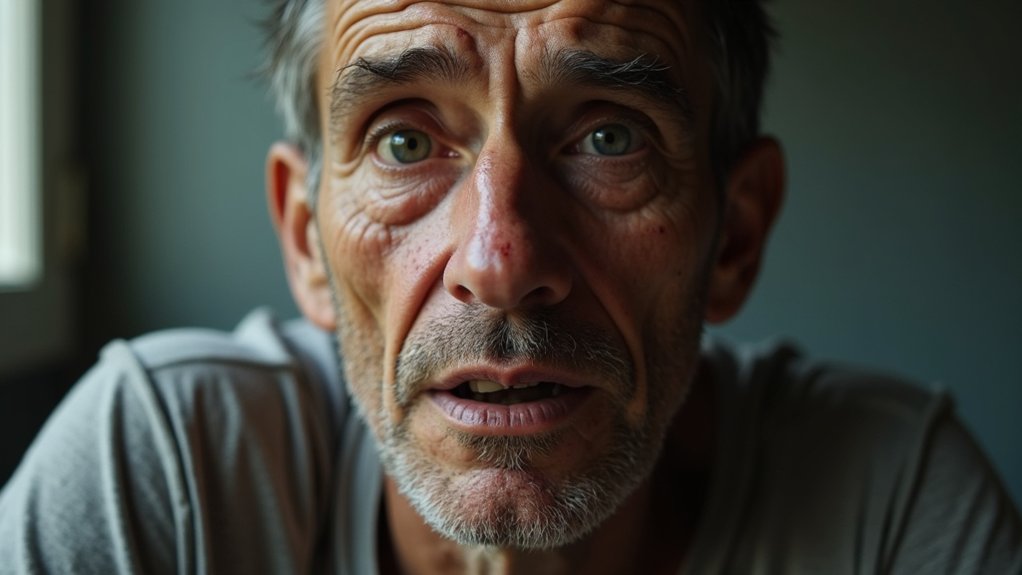
Long-term methamphetamine use often causes marked weight loss, severe tooth decay, skin sores, and heart strain, though no single visible sign confirms use. Reduced appetite and poor nutrition leave someone looking undernourished. What people often call a “meth addict body” reflects this malnutrition, not a person’s character. Common meth physical symptoms also include severe tooth decay, or “meth mouth,” driven by dry mouth, teeth grinding, and limited dental care. You might see skin sores from repeated scratching or picking, which can become abscesses or infections. Underneath, the heart’s under strain: blood pressure rises, heart rhythm can become irregular, and stroke or heart failure risk climbs. Remember, these signs can also have other causes, so a clinician’s assessment matters before you draw conclusions.
What does a meth addict look like
A person addicted to meth often shows marked weight loss and an undernourished appearance from reduced appetite, though there’s no single “look” that identifies someone who uses methamphetamine. Prolonged use can leave visible marks. You may see rotted or missing teeth, called “meth mouth,” driven by dry mouth, grinding, and poor nutrition. Skin sores from repeated picking can become abscesses or repeated infections. Comparing photos before and after meth addiction often shows these changes together. Still, no single sign confirms use, since illness and other factors can cause similar changes. Physical signs of meth use vary with frequency, duration, route, and overall health. If you’re concerned about someone, a clinician can assess symptoms and connect them with appropriate treatment.
How does meth cause weight loss and gauntness

Methamphetamine causes weight loss and gauntness mainly by suppressing appetite, so you may go long stretches without eating. Over weeks and months, that reduced intake can lead to malnutrition and marked, sometimes extreme, weight loss. Dehydration adds to the drawn, gaunt look.
Other effects compound the problem. Severe tooth decay, dry mouth, and teeth grinding can make chewing painful, which may further limit what you eat. Exhaustion can leave you too depleted to prepare meals or keep a routine. Together, these factors can produce an undernourished, generally unwell appearance.
Keep in mind that weight loss alone doesn’t prove meth use. Medical conditions can cause similar changes, so a clinician should assess unexplained weight loss.
What is meth mouth and how does it develop
“Meth mouth” is the severe tooth decay that can develop with long-term methamphetamine use, leaving teeth rotted, broken, or missing. Several factors work together to cause this damage. Methamphetamine reduces saliva, and without it, your mouth can’t neutralize acids or wash away bacteria. You may also grind or clench your teeth, which wears down enamel and cracks teeth. Poor nutrition and skipped brushing or dental visits during periods of heavy use add to the harm. Over time, small cavities can progress to deep decay, gum disease, and tooth loss.
This damage often won’t reverse on its own, but a dentist can treat it. Fillings, extractions, root canals, and restorative care can help you regain function, comfort, and confidence, especially once you’ve begun addiction recovery.
How does meth damage the skin and cause sores
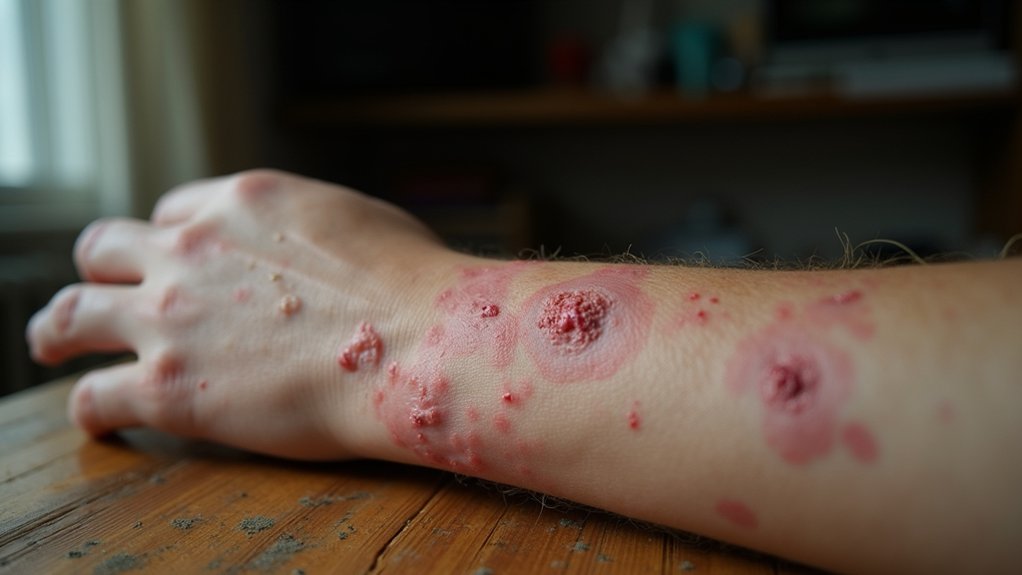
Meth damages your skin mainly by causing intense itching, which leads you to scratch or pick at it repeatedly until the skin breaks and open sores form. This visible damage is common with long-term methamphetamine use.
When you break your skin’s barrier, bacteria can enter. Sores may then develop into abscesses or boils, and you can experience repeated infections. If you inject meth, you also face a higher risk of bacterial infections that can spread beyond your skin, sometimes reaching your heart or other organs.
Some skin lesions persist and may need medical or cosmetic treatment. Remember, sores can have many causes, so they don’t confirm meth use. A clinician can evaluate your skin, treat infections, and help you find support.
How does long-term meth use age the body
Long-term methamphetamine use can make your body look and function older than your age by damaging several systems at once. No single sign confirms methamphetamine use, and these changes often overlap and compound one another:
Long-term methamphetamine use can age your body faster by damaging several systems at once, with effects that overlap and compound.
- Weight and nutrition: Reduced appetite can cause marked weight loss and malnutrition, leaving you looking gaunt or unwell.
- Teeth: Dry mouth, grinding, and poor nutrition can rot teeth or cause tooth loss.
- Skin: Picking at itchy skin can cause sores, abscesses, and repeated infections that may scar.
- Heart and circulation: Raised blood pressure and irregular heartbeat increase your risk of heart failure, heart attack, and stroke.
- Energy: Fatigue and dehydration can wear you down.
Effects vary with frequency, route, and overall health. A clinician can assess your symptoms and help you start treatment.
How does appearance change before and after meth
Long-term methamphetamine use can cause marked weight loss, rotted or missing teeth, skin sores, heart problems, and exhaustion, with these physical effects adding up over time.
| Area | Before | After Long-Term Use |
|---|---|---|
| Weight | Healthy, stable build | Marked, sometimes extreme loss |
| Teeth | Intact smile | Rotted or missing teeth |
| Skin | Clear complexion | Sores, abscesses, infections |
| Heart | Normal rhythm | Raised blood pressure, irregular heartbeat |
| Energy | Rested, alert | Exhaustion, dehydration |
If you’re seeing these changes in someone you love, remember that no single sign confirms meth use; illness and other factors can cause similar changes. Effects also vary with how often, how long, and how someone uses. Some damage, like tooth loss, may last without treatment, but you can help by encouraging a visit with a clinician. Call emergency services for chest pain, fainting, or stroke symptoms.
What damage can Villa Serena Recovery Center help undo
Villa Serena Recovery Center can help you address physical damage from methamphetamine use that may begin to improve after you stop using and get proper care, though some harm may need ongoing treatment or may be lasting. Recovery support can help you address:
- Nutrition and weight, as appetite returns and regular meals rebuild your strength
- Dehydration and exhaustion, through rest, fluids, and steady routines
- Skin sores and infections, with wound care and medical treatment
- Dental damage, through referral for professional dental repair
- Heart and circulation risks, with monitoring of blood pressure and heart rhythm
You may still face lasting effects, such as missing teeth, scarring, or heart injury after a stroke or heart attack. A clinician can assess your symptoms and tailor your plan. Get emergency care immediately for chest pain or stroke symptoms.
Your Body Can Begin to Heal Once You Stop
Many of meth’s physical effects start to improve with proper care and time, the first step is ending use with the right support behind you. Villa Serena provides drug addiction treatment that addresses the physical toll of stimulant use while guiding you through structured, compassionate recovery. Our admissions team is here 24/7 at +1 (844) 821-3984 to help you take the first step. Verify your insurance now and begin your path to lasting recovery.
Frequently Asked Questions
Can Long-Term Meth Use Cause Heart Attacks, Strokes, or Heart Failure?
Yes, long-term meth use can cause heart attacks, strokes, and heart failure. Meth raises your blood pressure and can make your heart beat rapidly or irregularly, which strains your cardiovascular system over time. This damage can leave you with lasting disability or ongoing heart problems. If you’re experiencing chest pain, fainting, severe shortness of breath, or stroke symptoms, don’t wait, call emergency services. A clinician can help you find treatment.
What Infections Are Linked to Injecting Meth Over a Long Period?
Long-term meth injection raises your risk of bacterial infections, including infective endocarditis, a serious heart infection. Sharing needles or other equipment can expose you to HIV and viral hepatitis. Injection-related infections can also spread to your brain, kidneys, liver, or spine. Skin sores from scratching or picking may become abscesses or boils. If you’re injecting, a clinician can test, treat, and gently support you without judgment.
Do Physical Signs Differ Depending on How Meth Is Used?
Yes, physical signs can differ depending on how meth is used. Your route of use, along with how often and how long you’ve used and your overall health, shapes which physical effects you’ll notice. If you inject, you face higher risks of bacterial infections, including infective endocarditis, and sharing equipment raises your risk of HIV and viral hepatitis. No single sign confirms meth use. If you’re concerned, a clinician can assess your symptoms and help you find treatment.
Can Other Medical Conditions Cause Signs That Resemble Long-Term Meth Use?
Yes, many medical conditions can cause signs that resemble long-term meth use, and no single visible sign confirms methamphetamine use. Weight loss can stem from medical conditions, reduced appetite, or poor nutrition. Tooth decay can follow dry mouth, teeth grinding, or limited dental care. Itchy skin and sores can arise from other conditions too. If you notice these signs in yourself or someone else, a clinician can assess the cause and recommend care.
When Do Meth-Related Physical Symptoms Require Emergency Medical Care?
Meth-related physical symptoms require emergency care right away if you notice chest pain, fainting, severe shortness of breath, or stroke symptoms. Call emergency services if you suspect an overdose or someone’s in immediate danger. Methamphetamine can raise blood pressure and trigger a rapid or irregular heartbeat, heart attack, or stroke. Don’t wait for symptoms to pass, because prompt care can help limit lasting disability. Afterward, a clinician can help you find supportive treatment.